
Most Common Rain-Related Problems in Ghanaian Homes
June 4, 2025
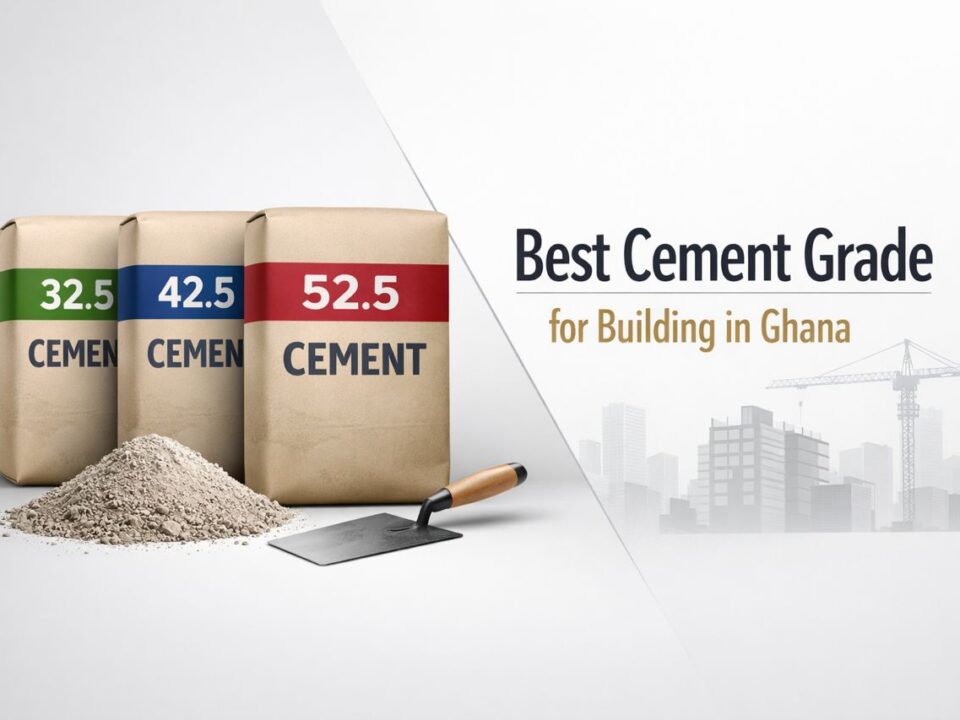
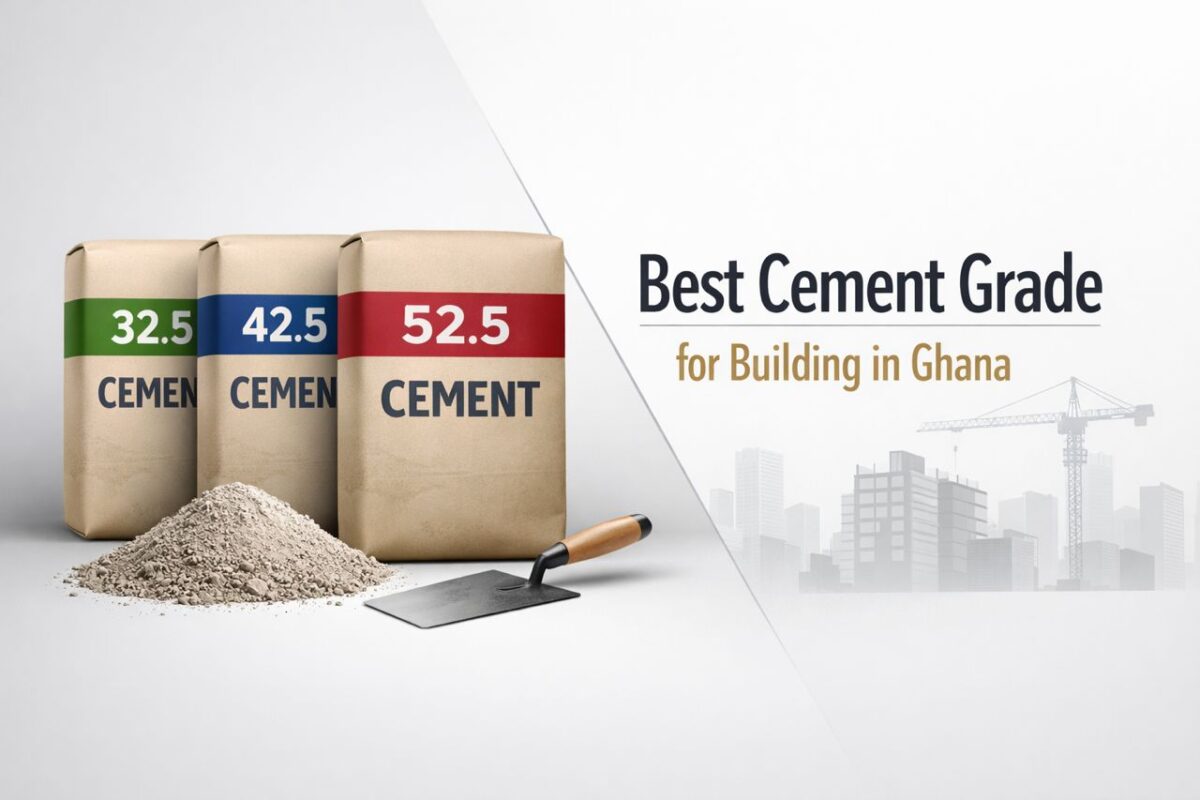
Best Cement Grade for Building in Ghana (2026 Complete Guide)
March 28, 2026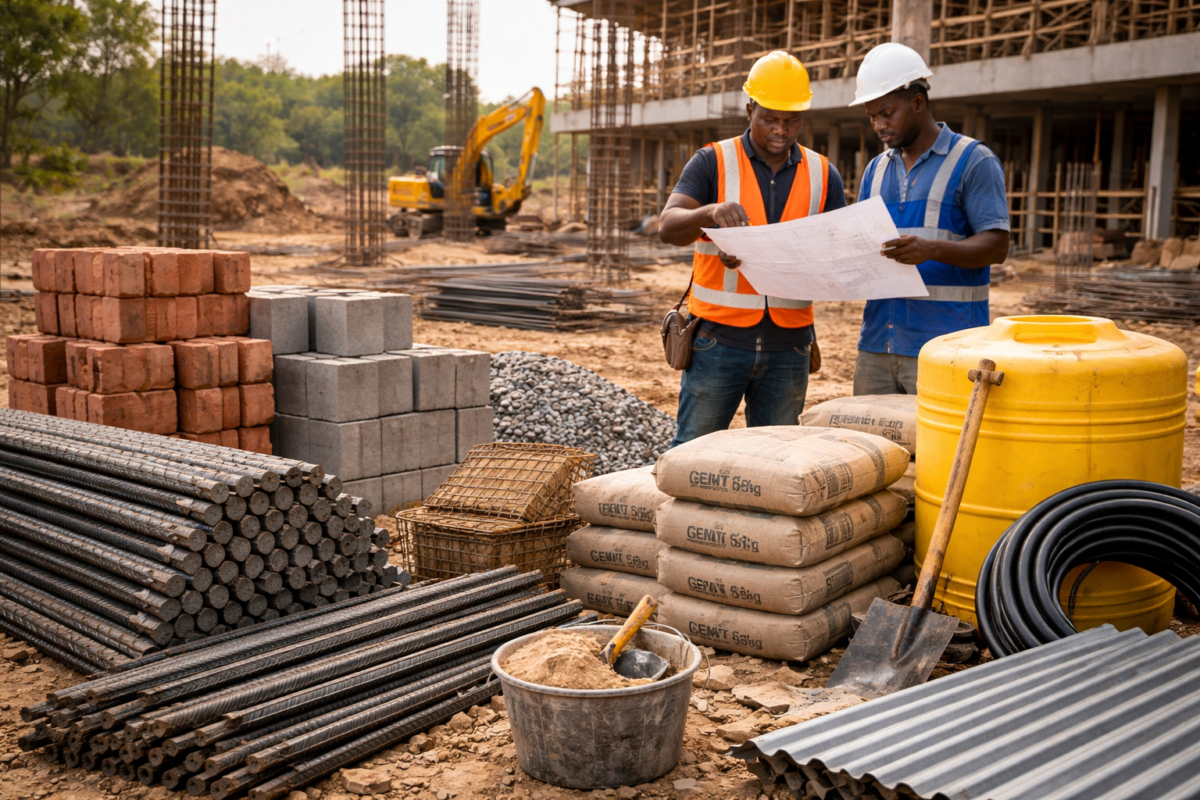
(And where to buy them)
Updated March 2026 | 10 min read | Ghana Building & Construction
Whether you’re building your first family home in Kumasi, putting up a rental property in Accra, or fixing up a shop in Takoradi — choosing the right building materials can be the difference between a structure that stands for generations and one that keeps giving you headaches. This guide breaks down everything you need to know, in plain language.
Let’s Be Honest — Building in Ghana Is Not Easy
Anyone who has ever tried to build a house in Ghana will tell you the same thing: it is a journey. Between rising material costs, inconsistent quality in the market, the chaos of rainy season, and contractors who seem to disappear at the worst possible times — it can feel like the odds are stacked against you.
But here is the good news: when you choose the right materials from the start, you save yourself money, stress, and years of repairs down the road. The problem is that most people don’t know what to look for — or they trust the wrong supplier.
Ghana’s building materials market generated over US$4.2 billion in revenue in 2024 and is growing every year. That means more options — but also more chances to buy the wrong thing if you’re not informed.
This guide is written to fix that. Let’s go through the essential building materials, what to look for in each one, and where you can get them without gambling your hard-earned money.
1. Cement — The Backbone of Every Ghanaian Building
If there is one material that Ghanaians take seriously, it is cement. And rightly so. Your foundation, walls, floors, and pillars all depend on it. Get this wrong and nothing else matters.
What to Look For
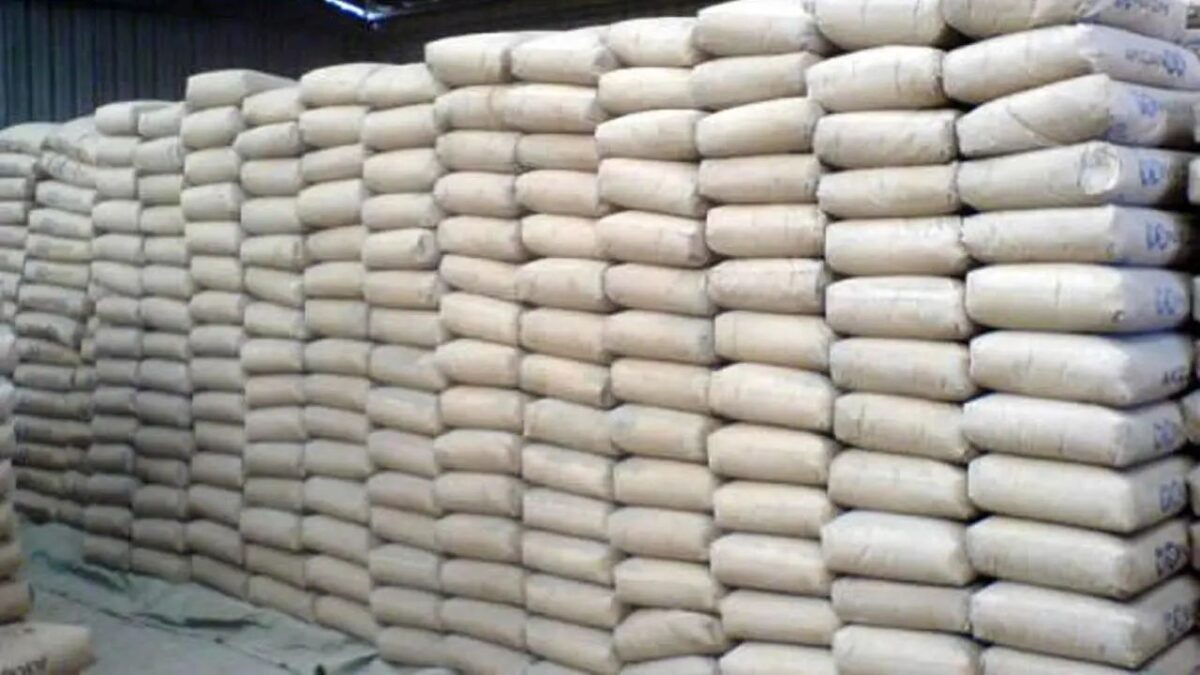
Not all cement is created equal. In Ghana, you will mostly find two grades:
- 32.5R — Good for plastering, screeding, and block-laying
- 42.5R — Stronger grade, ideal for foundations, columns, and structural concrete
The most trusted brands in the Ghanaian market include GHACEM, Diamond Cement, Dangote Portland Cement, CIMAF, and Sol Cement. Each has its strengths, but always check the bag for the grade and manufacture date — yes, cement does expire, and expired cement is weaker than it should be.
Pro Tip
When you receive a bag, squeeze it. If it feels lumpy or has hardened clumps inside, it has absorbed moisture and should be rejected. Fresh cement should feel uniformly fine and powdery.
Where to Buy
Buy cement from verified hardware stores and registered suppliers. Avoid roadside sellers offering cement at prices that seem too good to be true — they often are. Check our shop for genuine, grade-verified cement delivered to your site.
2. Sand and Gravel — The Unsung Heroes of Construction
Sand and gravel might not sound glamorous, but they make up most of your concrete mix. Poor quality sand is actually one of the biggest reasons Ghanaian buildings develop cracks — yet most people barely think about it when budgeting.
Types of Sand Used in Ghana
- River sand — Smooth, clean, and excellent for plastering and masonry. Most commonly used in southern Ghana.
- Quarry dust — A by-product of stone crushing. Denser and great for concrete mixes, especially for foundations.
- Sharp (coarse) sand — Used in concrete, especially for structural elements.
What to Avoid
Avoid sea sand at all costs unless it has been properly washed. Sea sand contains salt, which corrodes your reinforcement bars over time — your building will look fine for years and then start to crack from the inside.
Where to Buy
Sand and gravel are typically sourced locally. Ask your builder to purchase from certified quarries. We can connect you to trusted aggregate suppliers through our platform.
3. Iron Rods (Reinforcement Steel) — Don’t Cut Corners Here
If cement is the heart of your build, iron rods are the skeleton. They give your concrete the tensile strength it needs to resist cracking, shifting, and the kind of stress that comes with heavy loads and seismic activity.
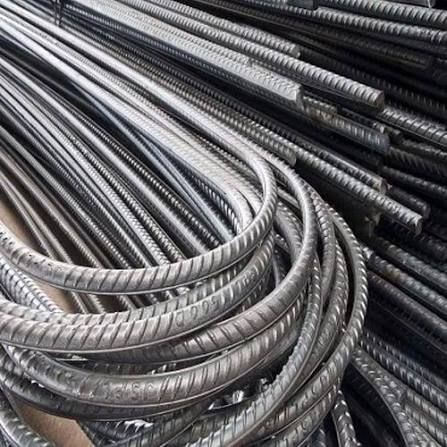
In Ghana, you’ll hear builders talk about Y-bars (high-yield deformed bars) and R-bars (mild steel). For structural work — columns, beams, lintels, foundations — always insist on Y-bars. They are stronger and grip concrete better due to their ribbed surface.
Sizes Commonly Used in Ghana
- Y10, Y12 — For slabs and general structural work
- Y16, Y20, Y25 — For columns and heavily loaded beams
- R6 — Mostly for stirrups and ties
Watch Out For Fakes
The market has been flooded with substandard iron rods, some imported from unreliable sources. Always buy from a registered supplier and ask for the mill certificate if you’re doing large-scale construction. A genuine rod should have clear markings indicating its grade and origin.
Where to Buy
Reputable iron rod suppliers in Ghana include hardware stores affiliated with certified steel importers. Browse our verified iron rod listings for Accra, Kumasi, and Takoradi delivery.
4. Sandcrete Blocks — Your Walls, Your Foundation
Walk around any Ghanaian neighbourhood and you’ll see them everywhere — grey sandcrete blocks stacked in neat courses, forming the walls of homes, offices, shops, and warehouses. They are the most common walling material in Ghana, and for good reason: they’re affordable, widely available, and when made properly, very strong.
The Problem With Blocks in Ghana
Here’s the honest truth: block quality in Ghana is wildly inconsistent. Some are made with the right cement-to-sand ratio. Many are not. Block makers who skimp on cement produce blocks that crumble when you try to drive a nail into the wall — and worse, they provide very little structural integrity.
What Good Blocks Look Like
- Uniform in shape and size — no warping or crumbling edges
- Solid and heavy — underweight blocks mean too little cement
- Free of visible cracks before laying
- Made with a consistent mix — ideally 1 bag of cement to 12–14 shovels of sharp sand for 6-inch blocks
Where to Buy
Your best bet is to either buy from a trusted block manufacturer or to have blocks made on-site under supervision. If you’re buying pre-made, ask to see a sample batch and test them yourself.
5. Roofing Materials — Because Ghana’s Rain Is Not Forgiving
If you’ve ever lived through a leaking roof during Ghana’s rainy season — the buckets on the floor, the constant dripping sounds at 2am, the water damage to furniture — you know exactly how important good roofing is. Don’t compromise here.
Popular Roofing Options in Ghana
- Aluzinc roofing sheets — Lightweight, rust-resistant, and increasingly popular. Excellent for both residential and commercial buildings. Brands like Aluworks are well-regarded.
- Long-span aluminium sheets — Durable, low-maintenance, and ideal for large roofs. More expensive but worth it in coastal areas where salt air speeds up corrosion.
- Concrete roofing tiles — Heavier but extremely durable. Good for permanent, high-end residential builds.
- Galvanized iron sheets — The traditional choice. Affordable and widely available, but more prone to rust if not properly maintained.
Key Consideration for Ghana
Wind uplift is a real concern, especially in harmattan season. Make sure your roofing is properly fastened with the right gauge screws and that your rafter spacing is appropriate for the sheet type.
Where to Buy
Buy roofing materials from suppliers who can provide product certification. We stock a range of aluzinc and long-span roofing options in our shop with delivery available nationwide.
6. Timber — Still Relevant, But Buy Smart
Ghana has some of the finest timber in West Africa. Hardwoods like mahogany, teak, odum, and wawa are used in everything from roof structures and door frames to staircases and furniture. The country exported timber worth around US$161 million in 2022 alone.
Uses of Timber in Construction
- Roof trusses and purlins
- Door and window frames
- Ceiling structures
- Scaffolding and formwork during concrete casting
Important Caveat
Ghana has strict regulations around timber harvesting to protect its forests. Always buy from licensed timber merchants who can provide documentation that their wood is legally sourced. Illegal timber may be cheaper, but it puts you at legal risk and contributes to deforestation.
Also, treat all timber used in construction with anti-termite and anti-rot chemicals — Ghana’s tropical climate is ideal for termites, and an untreated roof frame can be silently destroyed within a few years.
7. Paints and Finishes — First Impressions Matter
After years of construction, the final layer of paint is what transforms your building from a grey concrete shell into a home. But paint does more than look good — quality exterior paint protects your walls from moisture penetration, efflorescence (that white salt staining you see on old walls), and UV damage from Ghana’s intense sun.
Recommended Paint Types for Ghana
- Exterior weatherproof emulsion — For external walls. Look for brands with UV and weather resistance ratings.
- Textured coating — Adds a beautiful finish while sealing micro-cracks in plastered walls.
- Anti-fungal paint — Highly recommended for bathrooms and kitchens in Ghana’s humid climate.
Trusted Brands in Ghana
Azar Paints, Coral Paints, and Crown Paints are among the most widely used and trusted brands for residential construction in Ghana. Always buy from authorised dealers to avoid counterfeit products.
8. Plumbing & Electrical Materials — Invest Now, Save Later
Many Ghanaian homeowners make the mistake of budgeting tightly on plumbing and electrical materials. Then five years later, they’re tearing up walls to replace burst pipes or re-doing wiring because the cables were too thin. This is a false economy.
Plumbing
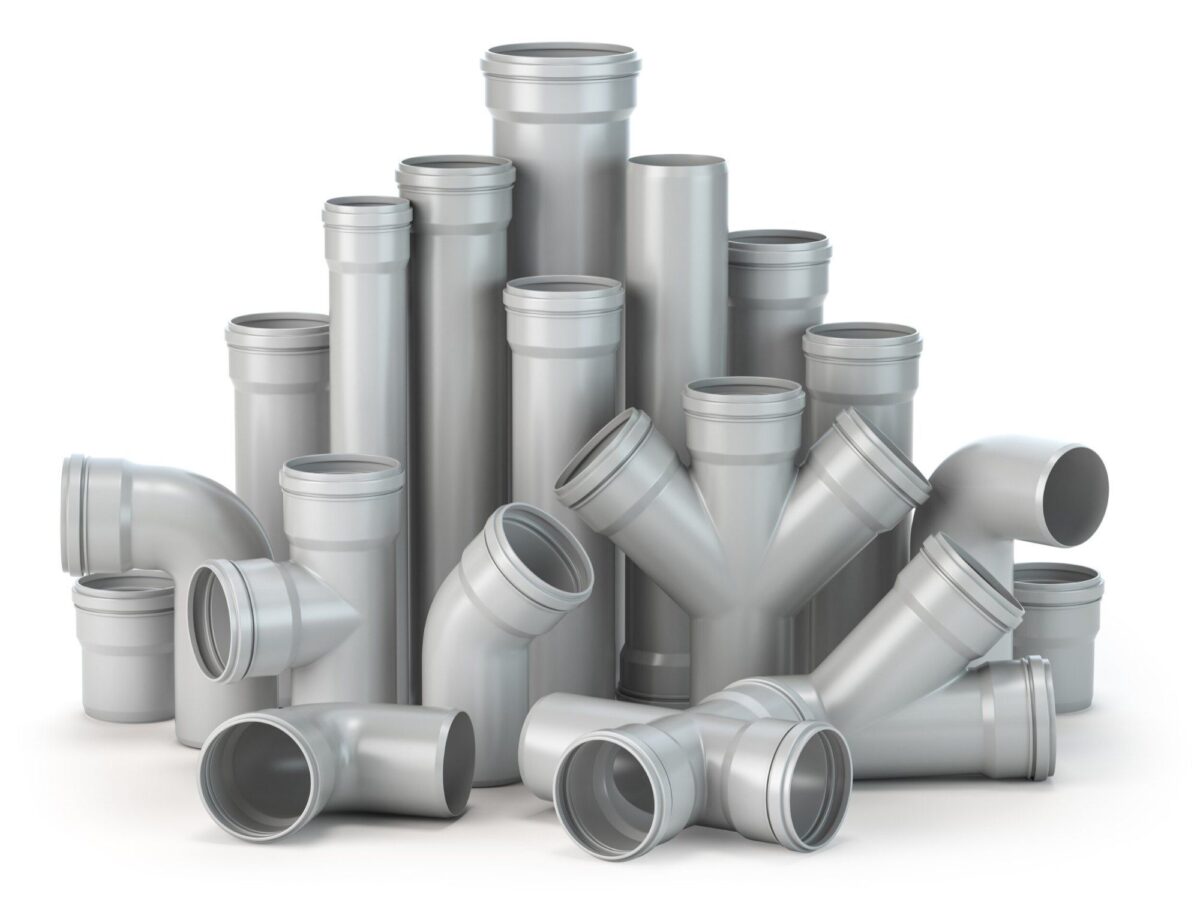
- Use PPR or uPVC pipes for water supply lines — they don’t corrode like old galvanised iron pipes
- Invest in quality taps, ball valves, and fittings — cheap ones leak within months
- Install a pressure-reducing valve if you’re in areas with high water pressure
Electrical
- Tropical-rated cables (like Tropical Cables brand) are designed to handle Ghana’s heat and humidity — use them
- Use the correct wire gauge for each circuit — undersized cables are a fire hazard
- Install MCBs (Miniature Circuit Breakers) and a proper earth leakage system from the start
Where to Buy
Our shop stocks quality plumbing fittings and electrical supplies from trusted brands. Shop by category and get delivery to your building site.
9. Sustainable & Eco-Friendly Materials — The Future Is Here
Ghana is urbanising rapidly, and the construction sector is under increasing pressure to build greener. The good news is that sustainable building materials are not just good for the environment — many of them actually perform better in Ghana’s climate.
Options Worth Considering
- Compressed Earth Blocks (CEB) — Made from locally sourced soil, these blocks offer excellent thermal insulation, keeping your home cooler without air conditioning.
- Bamboo — Increasingly used for structural and decorative purposes. Fast-growing, strong, and beautiful.
- Fly-ash concrete — Reduces cement content in concrete mixes while increasing durability and reducing carbon footprint.
- Recycled steel — Available from reputable suppliers and just as strong as new steel for most applications.
Buildings made with sustainable materials often offer better thermal performance — a huge plus in Ghana where rising energy costs make cooling increasingly expensive. You build smarter, and your occupants live more comfortably.
How to Spot Fake or Substandard Materials in Ghana
This is something every Ghanaian builder needs to know. The market is unfortunately rife with counterfeit and substandard materials, and the consequences can be catastrophic. Here are red flags to watch for:
- Cement bags with smudged or unclear branding — often refilled with inferior product
- Iron rods that are too light for their stated diameter — weigh them against the official specification
- Paint that separates or smells unusually strong — may be adulterated or old stock
- Roofing sheets that are thinner than their stated gauge
- Electrical cables that are stiff, brittle, or have uneven insulation
The golden rule: buy from reputable suppliers, ask for documentation, and don’t let price alone drive your decision. A GH₵20 saving per bag of cement across 500 bags is GH₵10,000 — but a structural failure caused by bad cement could cost you your entire investment.
Where to Buy Quality Building Materials in Ghana
Now that you know what to buy, here’s how to find it:
Option 1 — Our Online Shop (Recommended)
We stock verified, quality building materials with transparent pricing and delivery to Accra, Kumasi, Takoradi, Tema, and surrounding areas. No middlemen, no fakes. Browse our full catalogue and order directly from your phone or laptop.
Option 2 — Established Hardware Stores
Look for hardware stores that are members of the Ghana Hardware Merchants Association. These tend to have stricter sourcing standards. In Accra, areas like Abossey Okai are well-known hardware hubs — but shop carefully and compare prices.
Option 3 — Directly From Manufacturers
For large projects, buying directly from manufacturers like GHACEM (cement) or Aluworks (roofing) can get you better pricing and guaranteed quality. Most have regional depots across the country.
Option 4 — Online Marketplaces
Platforms like Jiji.com.gh list thousands of building material sellers. These can be useful for price comparison, but always verify the seller’s credibility before committing to a large order.
Ready to Start Building?
Building your dream home or commercial property in Ghana doesn’t have to be stressful. When you start with the right materials, everything else becomes easier — your contractor has less to complain about, your structure stays strong, and your costs remain predictable.
Here’s your action plan:
- Get your architectural drawings and Bill of Quantities (BoQ) done first
- Use this guide to cross-check every material on your list
- Shop from verified suppliers — including our online store
- Inspect materials before they reach your site
- Keep receipts and documentation for all purchases
👷 Shop your Quality Building Materials here: https://jobbhey.com/shop/
Have a question about which materials to use for your specific project? Drop a comment below or send us a message. We’re builders too — and we’re here to help.
Related Tags: building materials Ghana | cement Ghana | roofing sheets Ghana | iron rods Ghana | buy building materials online Ghana | construction materials Accra Kumasi